
City of Lanterns
Hoi An, a charming town on Vietnam’s central coast, is known for its beautifully preserved Ancient Town, rustic streets, and rich cultural heritage. With its unique mix of historical influences, this UNESCO World Heritage site draws millions of visitors each year, promising an unforgettable experience filled with vibrant landscapes and local flavors.
Places
Hoi An Highlights
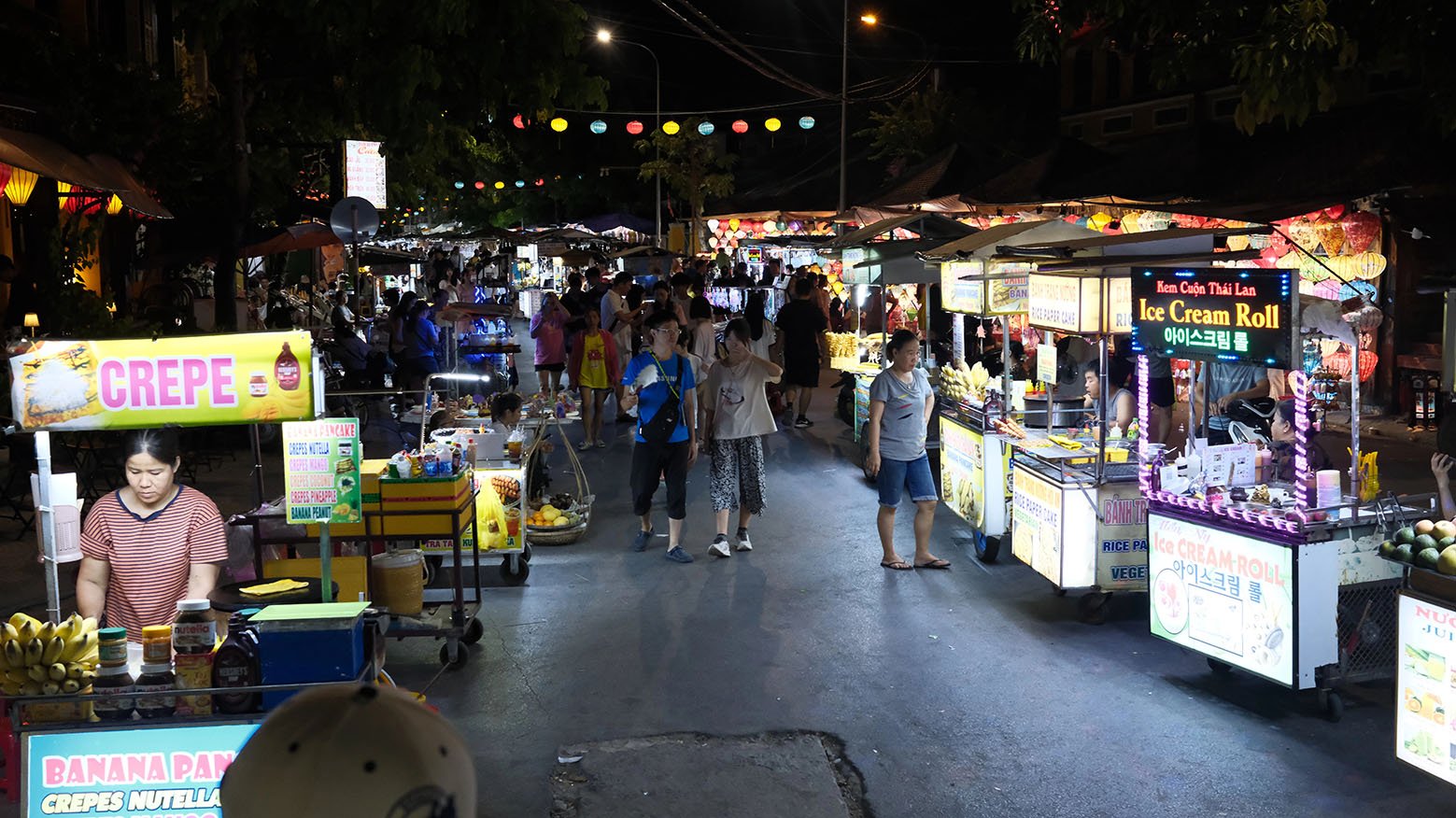
Hoi An Night Market
The Hoi An Night Market is a dazzling spectacle that showcases the rich culture and tradition of Vietnam. Located in the heart of Hoi An, this vibrant market attracts both locals and tourists, eager to experience its unique atmosphere. As the sun sets, the market comes alive with colorful lanterns and the aroma of street food. At the Hoi An Night Market, visitors can expect an array of handmade crafts, locally produced goods, and traditional Vietnamese cuisine. The market features dozens of stalls selling everything from intricate handicrafts to stylish clothing, making it a perfect spot for souvenir shopping.
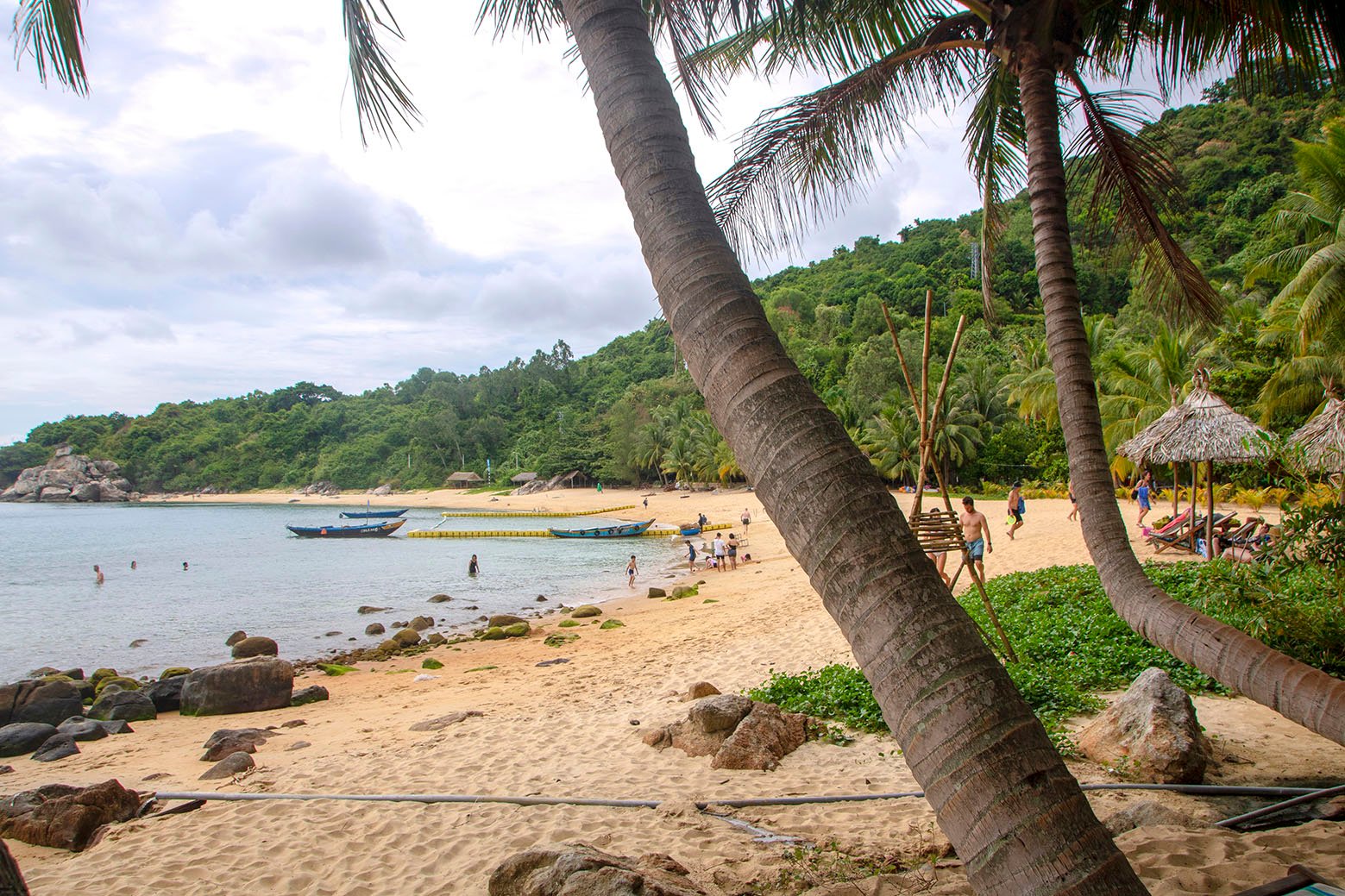
Cham Islands (Cu Lao Cham)
The Cham Islands, an archipelago situated approximately 15 kilometers off the coast of Hoi An, Vietnam, are a must-visit destination for anyone seeking natural beauty and cultural richness. Comprising eight islands, this UNESCO Biosphere Reserve offers pristine beaches, crystal-clear waters, and diverse marine life, making it a haven for nature lovers and adventure seekers alike. Accessing the Cham Islands is relatively easy. Visitors can book a boat tour or a ferry from Hoi An, which typically takes about 30 minutes. These tours usually include opportunities for snorkeling and sightseeing, allowing tourists to witness the islands' stunning underwater ecosystems.
While the Cham Islands are primarily known for their natural allure, they also boast a rich cultural heritage. The local population, primarily of Cham descent, offers visitors a glimpse into their traditional way of life. Enjoy freshly caught seafood at local eateries or explore traditional fishing techniques that have been passed down through generations.
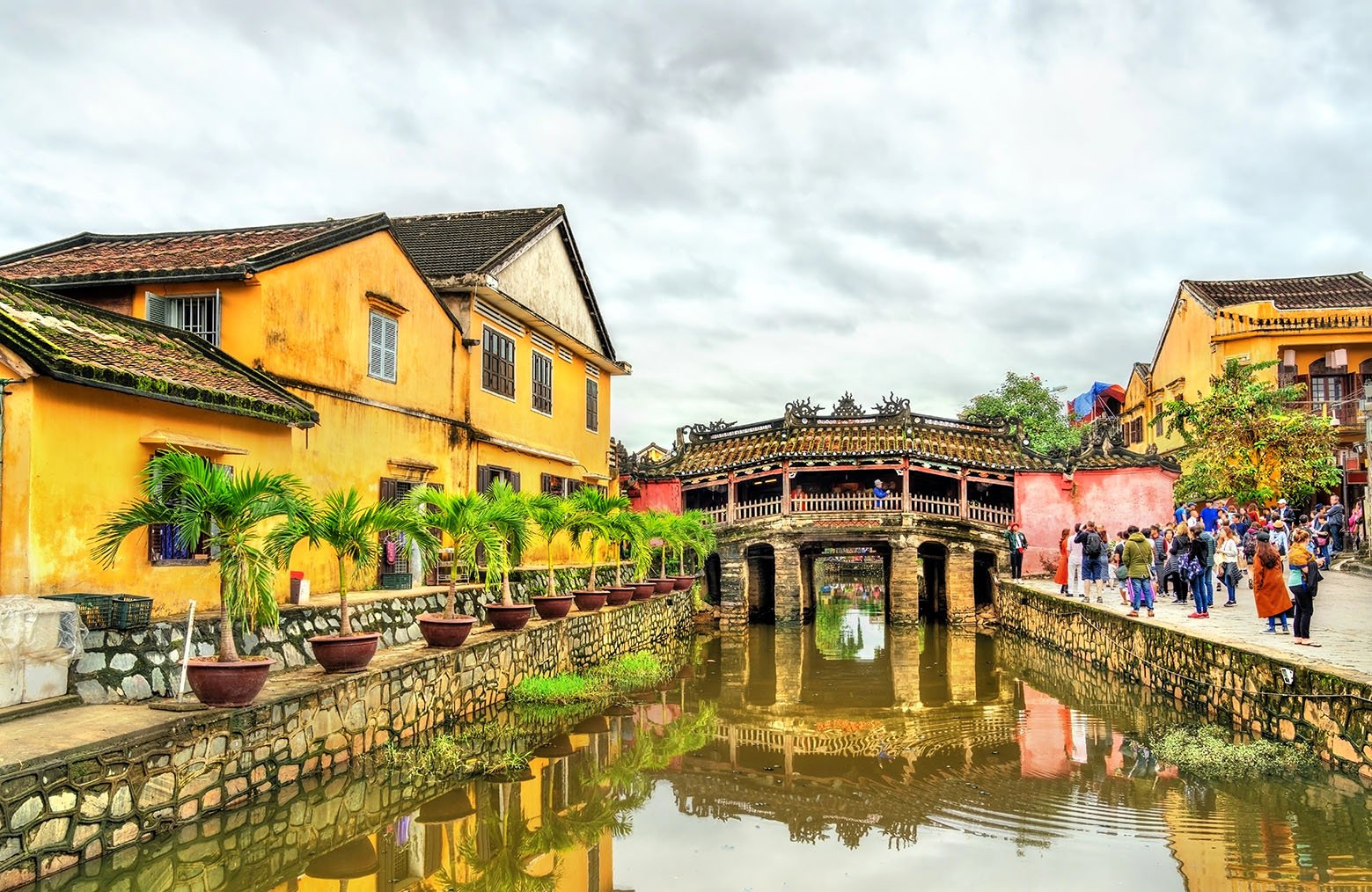
Japanese Covered Bridge
The Japanese Covered Bridge is a remarkable architectural marvel that attracts countless visitors each year. Built in the early 17th century, this historic structure offers a glimpse into the region's vibrant past. One of the most distinguishing features of the Japanese Covered Bridge is its unique wooden architecture. The bridge spans a small river and is adorned with intricate carvings and statues, reflecting traditional Japanese design elements. The Japanese Covered Bridge serves not only as a pathway but also as a significant cultural landmark in Hoi An. It stands as a popular backdrop for photographs, attracting both locals and tourists.